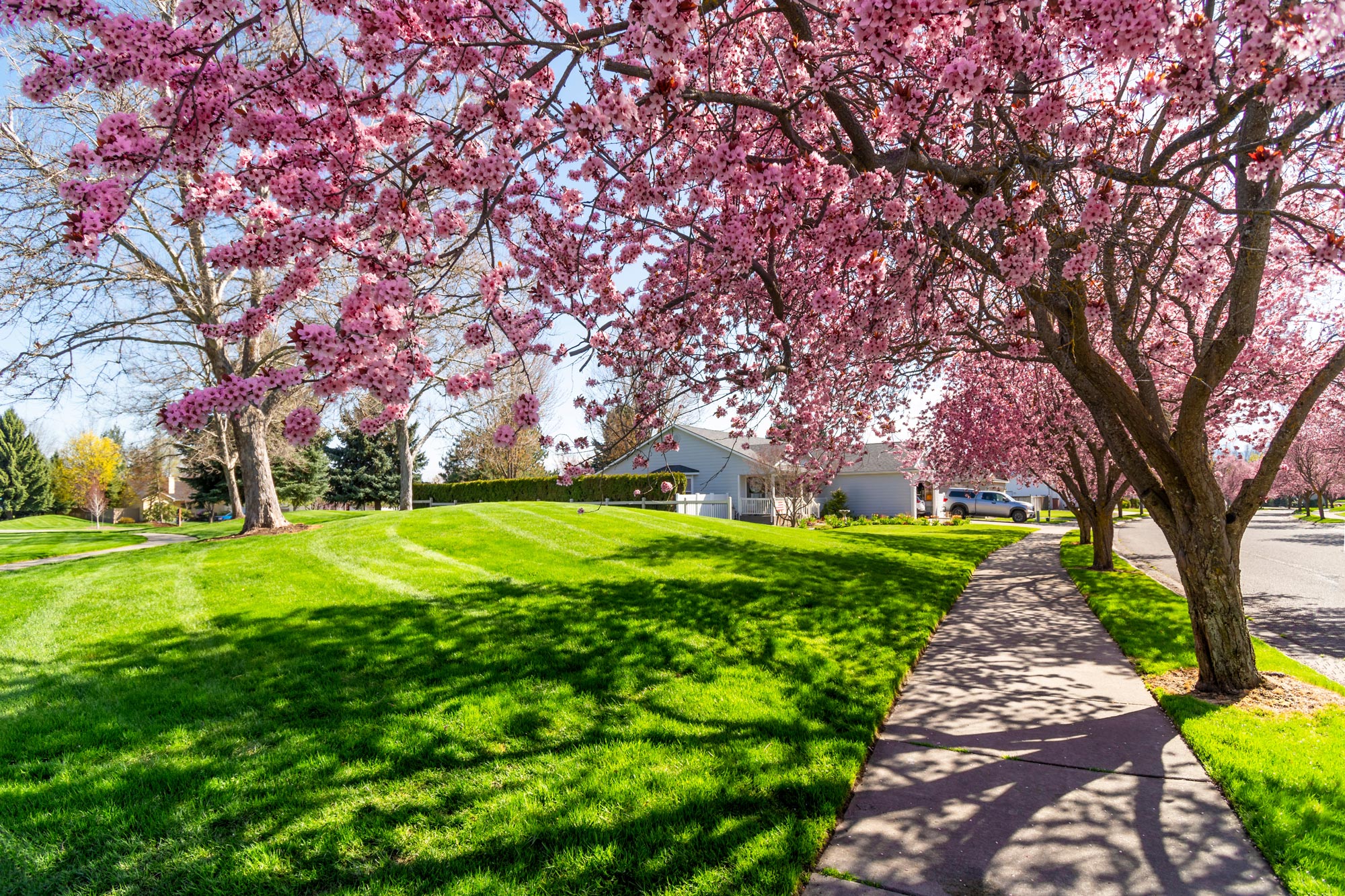
Spring in the Triangle is the perfect time to get your air conditioner or heat pump ready for the heat and humidity ahead. At Lee Air Conditioning, we recommend scheduling spring AC maintenance before the first real warm stretch so your system runs efficiently, reliably, and safely when you need it most.
Whether you’re in Durham, Chapel Hill, Cary, Morrisville, Apex, Raleigh, or a nearby community, this guide walks you through what to do at home and what to expect from a professional spring tune-up.
Why spring AC maintenance is worth it
Lower energy bills
Heating and cooling typically make up the largest share of a home’s utility costs, and a well-maintained system can run more efficiently.
Fewer breakdowns during the hottest days
In North Carolina, AC problems usually show up when systems are under the most strain. A spring tune-up helps us catch small issues (like weak electrical components, drainage problems, or airflow restrictions) before they become mid-summer emergencies.
Longer system life
Dirt and neglect are top causes of HVAC failure and inefficiency. Preventive maintenance helps keep your system operating the way it should.
When to schedule spring AC maintenance in the Triangle
If you can, book your tune-up before the summer rush. We always recommend getting pre-season checkups before our schedule stacks up with summer emergency repairs.
If you’re already noticing performance issues, schedule sooner rather than later.
Quick homeowner checklist for spring
These are safe, homeowner-friendly steps you can take now:
- Change your air filter (and set a reminder to check it monthly during peak cooling season).
- Clear debris around the outdoor unit (leaves, mulch, branches). Give it breathing room on all sides.
- Gently rinse the outdoor coil with a light garden hose spray (power off first). Avoid high pressure.
- Check your thermostat settings and replace batteries if needed.
- Make sure supply vents are open and unobstructed (rugs, furniture, curtains).
- Look at the condensate drain line for clogs or standing water near the indoor unit.
Safety note: If you suspect electrical issues, burning smells, ice buildup, or refrigerant leaks, stop and call a pro.
What we do during a professional spring AC tune-up
A real spring tune-up is more than a quick look. During spring maintenance, our techs will follow this detailed process:
- Clean blower compartment and confirm proper operation
- Check refrigerant balance
- Check and lubricate motors
- Calibrate thermostat
- Inspect safety switches
- Inspect electrical components and tighten connections
- Check capacitors, disconnect, and breaker sizing
- Clean the condensate line
- Inspect ducts for leakage
- Check filters
- Clean outdoor condensing coils and remove debris
- Check temperature drop across the evaporator coil
- Inspect evaporator coil condition (cleaning may be additional if needed)
These items align with our published maintenance plan inspection checklist. To learn more, visit our Maintenance page.
Signs your AC needs maintenance now
Call us if you notice any of the following:
- Your system runs constantly or short-cycles
- Weak airflow from vents
- Uneven temperatures from room to room
- New noises (buzzing, rattling, grinding)
- Musty odors
- Higher-than-normal power bills
- Water around the indoor unit or a clogged drain line
- The outdoor unit is excessively loud or vibrating
Want set-it-and-forget-it maintenance?
If you want to stay ahead of repairs, our Maintenance Plan is built for exactly that. It includes seasonal inspections (spring and fall) and a 15% discount on repairs.
Ready to schedule? Request service online or call (919) 383-1588.
FAQs about spring AC maintenance
How long does a spring AC tune-up take?
Most tune-ups take about 60–90 minutes, depending on accessibility, system condition, and whether we find anything that needs extra attention.
Do newer systems still need maintenance?
Yes. Maintenance protects efficiency, helps prevent surprise breakdowns, and keeps components clean and calibrated.
Can spring maintenance prevent refrigerant leaks?
Maintenance can’t guarantee prevention, but it can identify early warning signs and performance issues before they cause major damage.
How often should I replace my air filter?
Many homes do well with every 1–3 months, but pets, allergies, and heavy runtime can shorten that interval. If it looks dirty, replace it.
Is spring maintenance different for heat pumps?
Heat pumps need spring maintenance too. The cooling side still works hard in summer, and a tune-up helps confirm proper refrigerant balance, airflow, and electrical performance.
What is the best month to schedule in Durham and the Triangle?
Anytime in spring is ideal. Earlier is often better because it helps you avoid peak-season scheduling.
